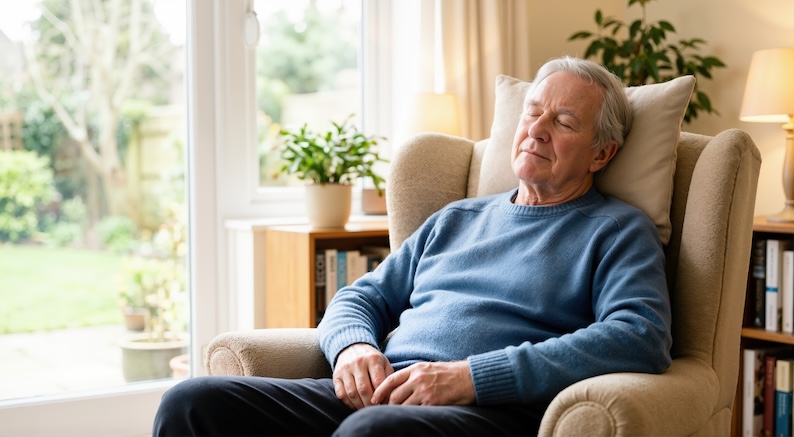
There's something undeniably refreshing about a good nap. Whether it's after a busy morning, a long walk, or simply an afternoon when your energy starts to fade, a short period of rest can leave you feeling more alert and ready to enjoy the rest of your day.
For many older adults, however, there's often a lingering question: Are naps actually good for you, or could they be making your nighttime sleep worse?
The answer is encouraging. When done correctly, naps can be a healthy part of your daily routine. In fact, research suggests that short daytime naps may improve energy, sharpen memory, boost mood, and even support overall brain health. The secret isn't just whether you nap—it's how and when you do it.
Why Do Seniors Feel Sleepier During the Day?
If you find yourself reaching for the recliner more often than you used to, you're not imagining things. As we age, our sleep naturally changes. Older adults tend to spend less time in deep, restorative sleep and are more likely to wake up several times during the night. Even if you spend eight hours in bed, your sleep may not feel as refreshing as it once did. It may become increasingly difficult to feel energized to take on the day.
Changes in sleep aren't the only reason daytime drowsiness becomes more common. Certain medications, chronic pain, arthritis, heart disease, diabetes, depression, and sleep disorders like sleep apnea can all contribute to feeling tired during the day.
That doesn't mean daytime fatigue should simply be accepted as a normal part of aging. If excessive sleepiness is interfering with your daily activities, it's worth discussing with your primary care provider. Sometimes improving sleep starts with identifying an underlying health condition that can be treated.
The Benefits of Taking a Nap
A well-timed nap offers more than just a chance to rest your eyes. It gives both your body and your brain an opportunity to recharge.
A short afternoon nap may help:
- Increase alertness and concentration
- Improve memory and learning
- Boost mood
- Reduce fatigue
- Improve reaction time
- Support overall cognitive function
Many people notice they feel more productive and mentally clear after a brief nap than they would if they pushed through the afternoon feeling sluggish.
For seniors who stay active with exercise, volunteer work, hobbies, or caring for grandchildren, a short nap can provide enough energy to enjoy the rest of the day without feeling exhausted.
When Is the Best Time to Take a Nap?
Timing makes all the difference. Most sleep experts recommend taking a nap between 1 p.m. and 3 p.m. This window aligns with your body's natural afternoon dip in alertness, making it easier to fall asleep without affecting your bedtime later that evening.
Napping too late—especially after 3 p.m. or 4 p.m.—can make it more difficult to fall asleep at night. Think of it as having dessert too close to dinner. A little can be enjoyable, but too much at the wrong time can spoil what's supposed to come next.
If you have trouble sleeping at night, consider whether a late-afternoon nap may be contributing to the problem.
How Long Should a Nap Last?
When it comes to naps, longer isn't always better. For most adults, 20 to 30 minutes is considered the ideal length. This is often called a "power nap" because it's long enough to restore energy and improve alertness without entering the deeper stages of sleep that can leave you feeling groggy.
Longer naps certainly have their place, but they may not be the best choice for everyday use.
- 20–30 minutes: Increases alertness, improves mood, and helps restore energy.
- About 60 minutes: May improve memory but can leave you feeling groggy after waking.
- Around 90 minutes: Allows you to complete a full sleep cycle but may interfere with nighttime sleep if taken too often.
For most seniors, a short nap is all that's needed to enjoy the benefits.
When Napping Could Be a Warning Sign
While an occasional afternoon nap is perfectly healthy, needing several hours of sleep during the day or constantly feeling exhausted isn't something to ignore. Persistent daytime sleepiness can sometimes signal an underlying medical condition. Sleep apnea, anemia, thyroid disorders, depression, medication side effects, or poorly controlled chronic illnesses may all leave you feeling tired no matter how much you sleep.
Consider talking with your primary care provider if you:
- Need long naps every day
- Feel tired even after a full night's sleep
- Frequently fall asleep while watching television or reading
- Snore loudly or wake up gasping for air
- Notice a sudden change in your energy level
Your provider can review your medications, evaluate your sleep habits, and determine whether additional testing or treatment may be helpful.
How to Get the Most Out of Your Nap
A few simple habits can help you wake up refreshed instead of groggy.
Try to:
- Keep naps under 30 minutes.
- Nap around the same time each day.
- Choose a quiet, comfortable place with minimal distractions.
- Set an alarm so you don't oversleep.
- Get plenty of natural sunlight and physical activity during the day to help regulate your body's internal clock.
Remember, naps should complement healthy nighttime sleep—not replace it.
Healthy Sleep Starts with Healthy Habits
While naps can be beneficial, they work best as part of an overall healthy sleep routine. Maintaining consistent bedtimes, staying physically active, limiting caffeine late in the day, and creating a relaxing bedtime routine all contribute to better sleep quality.
If you're regularly relying on naps because you're exhausted, it may be time to look beyond your afternoon routine. Poor sleep isn't simply an inconvenience—it can affect memory, balance, heart health, and overall quality of life.
For most seniors, the answer is yes—naps can be good for your health. A brief nap in the early afternoon can improve energy, mood, and mental sharpness without disrupting nighttime sleep.
The key is keeping naps short and taking them at the right time of day. And if fatigue becomes persistent or excessive, don't assume it's simply part of getting older. Your primary care provider can help identify the cause and recommend ways to improve both your daytime energy and nighttime rest.
At VIPcare, we believe feeling your best starts with understanding your health. Whether you're struggling with fatigue, sleep problems, or managing a chronic condition, our providers take the time to listen and help you find solutions that fit your lifestyle. Schedule your appointment today!
Frequently Asked Questions
Are naps healthy for seniors?
Yes. Short naps of about 20 to 30 minutes can improve alertness, memory, mood, and energy without interfering with nighttime sleep.
What is the best time to take a nap?
Most experts recommend napping between 1 p.m. and 3 p.m., when your body's natural energy levels tend to dip.
How long should a senior nap?
A 20- to 30-minute nap is ideal. Longer naps may leave you feeling groggy and can make it harder to fall asleep at night.
When should I talk to my doctor about daytime sleepiness?
If you're consistently exhausted despite getting enough sleep, require long naps every day, or notice sudden changes in your energy level, schedule an appointment with your primary care provider. Excessive fatigue can sometimes be a sign of an underlying health condition.