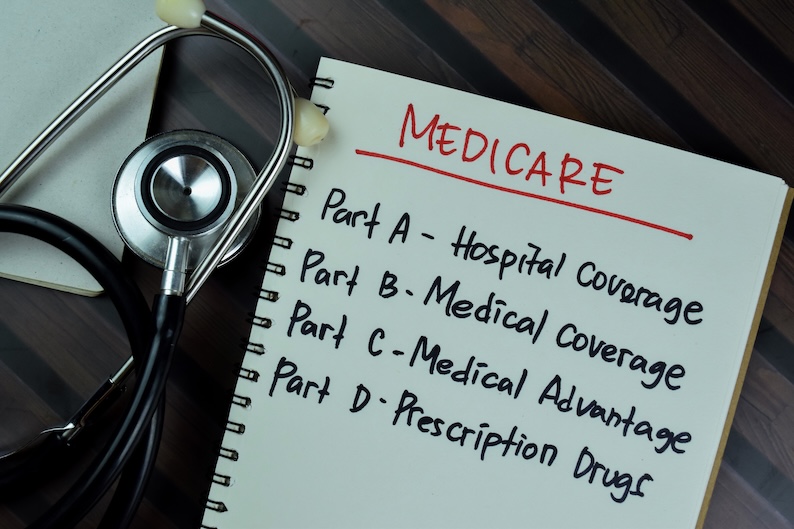

A visit to the hospital can be stressful, whether it was planned or unexpected. Once you're discharged and back home, it may feel like the hardest part is over. However, one of the most important steps in your recovery happens after you leave the hospital: contacting your primary care provider (PCP).
Many patients assume that their doctor automatically receives updates from the hospital. While hospitals often share records, delays can occur, and important details may be missed. By notifying your PCP as soon as possible after a hospital stay, you help ensure a smooth transition from hospital care back to everyday healthcare.
Why You Should Contact Your PCP After a Hospital Visit
Your primary care provider plays a critical role in coordinating your care and helping you recover safely. Whether you were admitted overnight, visited the emergency room, or underwent a procedure, your PCP should be informed about your hospitalization.
When you contact your doctor's office after a hospital visit, your care team can:
- Review hospital records and discharge instructions
- Schedule any necessary follow-up appointments
- Reconcile medications and prevent prescription errors
- Monitor your recovery and address new symptoms
- Coordinate care with specialists
- Help reduce the risk of complications and hospital readmission
The sooner your PCP is aware of your hospitalization, the sooner they can support your recovery.
What Is Transitional Care?
The period immediately after leaving the hospital is often called a "transition of care." During this time, patients may be adjusting to new medications, treatment plans, dietary recommendations, or follow-up appointments.
Research has shown that the weeks following a hospital discharge are a vulnerable time for patients, especially older adults managing chronic conditions. A well-coordinated transition of care can help prevent misunderstandings, medication issues, and unnecessary trips back to the hospital.
Your PCP serves as the central point of contact during this transition, helping ensure all aspects of your care work together.
Medication Review: One of the Most Important Steps
It's common for medications to change during a hospital stay. New prescriptions may be added, doses may be adjusted, or certain medications may be discontinued. Unfortunately, medication errors can occur when patients return home and are unsure which medications to continue taking.
By scheduling a follow-up visit with your PCP, your care team can:
- Review all medications you're taking
- Identify duplicate prescriptions
- Check for drug interactions
- Clarify dosage instructions
- Answer questions about side effects
This process, known as medication reconciliation, helps ensure your treatment plan is safe and effective.
When Should You Contact Your PCP?
Ideally, you should contact your primary care provider as soon as possible after being discharged from the hospital.
You should call your doctor's office if:
- You were admitted to the hospital
- You visited the emergency room
- You had surgery or a procedure
- You were diagnosed with a new medical condition
- Your medications were changed
- You received new discharge instructions
Even if you're feeling better, keeping your PCP informed helps prevent future issues and supports long-term health.
What Information Should You Share?
When you call your doctor's office, be prepared to provide:
- The name of the hospital you visited
- The date of your admission and discharge
- The reason for your hospitalization
- Any new diagnoses
- Changes to your medications
- Recommended follow-up care
If possible, keep a copy of your discharge paperwork and bring it to your follow-up appointment.
How Follow-Up Care Helps Prevent Readmissions
Hospital readmissions can often be prevented when patients receive timely follow-up care.
During a post-hospital visit, your PCP can:
- Check your recovery progress
- Monitor chronic conditions
- Order additional testing if needed
- Address concerns before they become serious
- Ensure you understand your treatment plan
This extra layer of support can help you recover with confidence and avoid unnecessary complications.
Your Health Doesn't Stop at Hospital Discharge
Leaving the hospital is an important milestone, but it isn't the final step in your recovery journey. Staying connected with your primary care provider helps ensure you receive the support, guidance, and follow-up care needed to stay healthy.
If you've recently visited the hospital or emergency room, don't wait. Contact your primary care provider as soon as possible to schedule a follow-up appointment and keep your recovery on track. A simple phone call can make a significant difference in your recovery and long-term health.