
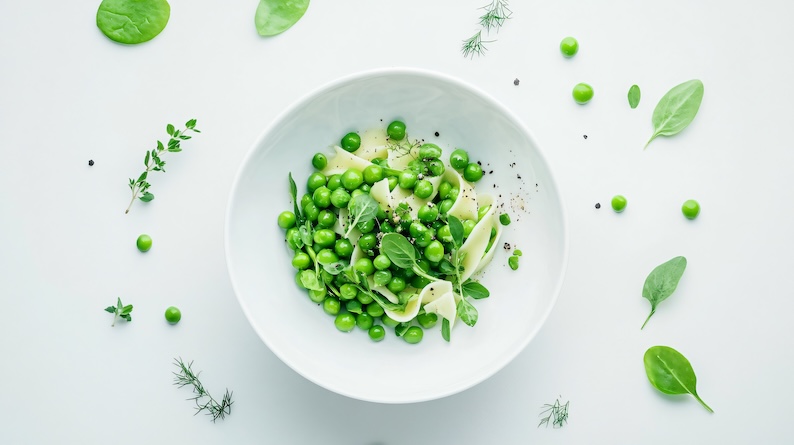
Spring is the perfect time to refresh your plate with lighter, nutrient-rich foods that help your body feel its best. As we age, our nutritional needs change, and choosing the right seasonal foods can support everything from heart health to digestion and energy levels.
Adding fresh spring foods to your diet isn’t just about enjoying the season—it’s about giving your body the nutrients it needs to stay strong, active, and healthy.
Why Seasonal Eating Matters for Seniors
Eating foods that are in season means you’re getting produce at its peak freshness and nutritional value. For seniors, this can make a real difference in:
- Supporting immune health
- Maintaining healthy blood pressure
- Improving digestion
- Boosting energy levels
- Supporting brain and heart health
Spring foods are often rich in vitamins, antioxidants, and fiber—key nutrients that help prevent and manage chronic conditions.
Top Spring Foods Seniors Should Be Eating
Leafy Greens (Spinach, Kale, Arugula)
Leafy greens are packed with vitamins A, C, and K, along with fiber and antioxidants. They support bone health, heart health, and digestion.
Why it matters:
They can help reduce inflammation and support healthy blood pressure levels.
Asparagus
Asparagus is a spring favorite that’s high in fiber and folate.
Why it matters:
It supports digestive health and may help regulate blood sugar levels—important for seniors managing diabetes.
Strawberries
Sweet and refreshing, strawberries are rich in vitamin C and antioxidants.
Why it matters:
They help boost the immune system and support skin health, while also being naturally low in sugar compared to many desserts.
Carrots
Carrots are loaded with beta-carotene, which converts to vitamin A in the body.
Why it matters:
They support eye health—especially important as vision changes with age.
Salmon
While not seasonal in the same way produce is, spring is a great time to incorporate lighter proteins like salmon.
Why it matters:
Salmon is rich in omega-3 fatty acids, which support heart health and brain function.
Peas
Fresh peas are a great source of plant-based protein and fiber.
Why it matters:
They help with digestion and can keep you feeling full longer, supporting healthy weight management.
Tips for Adding More Spring Foods to Your Diet
Making small changes can go a long way. Try:
- Adding spinach to omelets or smoothies
- Snacking on fresh strawberries instead of sweets
- Swapping heavier meals for grilled fish and vegetables
- Visiting local farmers’ markets for fresh, seasonal produce
A Fresh Start for Your Health
Spring is all about renewal—and your health is no exception. By choosing fresh, seasonal foods, you can nourish your body, support chronic condition management, and feel more energized each day.
If you have questions about your diet or managing your health, VIPcare can help you create a plan that’s right for you. Schedule an appointment today!
Fresh Spring Pea & Herb Salad
This bright and refreshing dish is packed with fiber, vitamins, and flavor—perfect for a light lunch or a healthy side.
Ingredients:
- 2 cups fresh or frozen peas (thawed if frozen)
- 1/4 cup chopped fresh mint
- 1/4 cup chopped fresh parsley
- 1/4 cup crumbled feta cheese (optional)
- 2 tablespoons olive oil
- Juice of 1 lemon
- 1/4 teaspoon salt
- 1/4 teaspoon black pepper
Directions:
- If using fresh peas, blanch them in boiling water for 2–3 minutes, then drain and cool.
- In a large bowl, combine peas, mint, and parsley.
- Drizzle with olive oil and fresh lemon juice.
- Add salt and pepper, then gently toss to combine.
- Sprinkle feta cheese on top, if using.
- Serve chilled or at room temperature.
Why This Recipe Is Great for Seniors:
- Easy to chew and digest
- High in fiber to support digestion
- Rich in vitamins and antioxidants
- Light and heart-healthy