
Heart-Healthy Recipes: Delicious Meals That Support Cardiovascular Health
Maintaining heart health doesn’t mean giving up flavor. With the right ingredients and smart cooking techniques, you can enjoy satisfying meals that also support your cardiovascular system. The secret to heart-healthy recipes is balancing nutrients, lowering saturated fat and sodium, and choosing foods that naturally protect your heart.
If you’re looking for easy ways to improve your diet for better heart health, start by building meals around whole, nutrient-dense foods and simple preparation methods like baking, grilling, steaming, and roasting.
Why Heart-Healthy Eating Matters
Heart disease remains one of the leading causes of death in the United States. The American Heart Associationrecommends a diet rich in:
- Fruits and vegetables
- Whole grains
- Lean proteins
- Healthy fats
- Low-fat dairy options
At the same time, limiting saturated fat, sodium, and added sugars can significantly reduce your risk of heart disease, high blood pressure, and high cholesterol.
The good news? A heart-healthy diet plan can be both nutritious and delicious.
Key Ingredients for Heart-Healthy Recipes
When planning heart-healthy meals, focus on these powerhouse ingredients:
1. Leafy Greens and Colorful Vegetables
Spinach, kale, broccoli, bell peppers, and tomatoes are rich in fiber, vitamins, and antioxidants that support cardiovascular health.
2. Whole Grains
Oats, quinoa, brown rice, and whole wheat products provide fiber that helps lower cholesterol levels.
3. Lean Protein Sources
Choose skinless poultry, fish, beans, lentils, and plant-based proteins. Fatty fish like salmon and tuna are high in omega-3 fatty acids, which support heart function.
4. Healthy Fats
Incorporate olive oil, avocados, nuts, and seeds. These contain unsaturated fats that may help improve cholesterol levels.
Simple Tips for Cooking Heart-Healthy Meals
- Use herbs and spices instead of salt to enhance flavor.
- Replace butter with olive oil when sautéing.
- Bake, grill, or air fry instead of deep frying.
- Swap refined grains for whole grains.
- Read nutrition labels and choose low-sodium options.
Small changes in your cooking routine can make a big difference in your long-term heart health.
Breakfast: Berry and Nut Oatmeal
Start your day with a fiber-packed breakfast that's as good for your heart as it is for your energy levels. Oats are a whole grain powerhouse known for their ability to lower LDL (bad) cholesterol levels. Ingredients:
- 1 cup old-fashioned oats
- 2 cups unsweetened almond milk or low-fat milk
- ½ cup fresh or frozen mixed berries (blueberries, raspberries, or strawberries)
- 1 tablespoon ground flaxseeds
- 1 tablespoon chopped walnuts
- A drizzle of honey (optional)
Instructions:
- In a saucepan, bring the milk to a gentle boil.
- Stir in the oats and cook on low heat for 5 minutes, stirring occasionally.
- Once the oats are cooked, mix in the berries and flaxseeds.
- Top with walnuts and drizzle with honey if desired.
Why it's heart-healthy: This breakfast is rich in fiber, antioxidants, and omega-3 fatty acids, which are all beneficial for heart health. Walnuts, in particular, are known to support cardiovascular health by reducing inflammation.
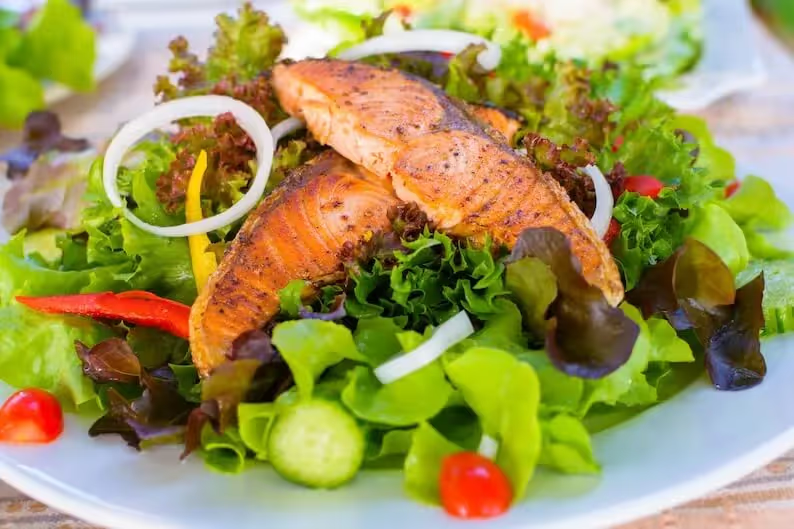
Lunch: Grilled Salmon Salad with Avocado Dressing
Salmon is a superstar when it comes to heart-healthy meals, thanks to its high omega-3 fatty acid content. This vibrant salad pairs salmon with leafy greens, colorful veggies, and a creamy avocado dressing. Ingredients:
- 2 salmon fillets (about 4 ounces each)
- 4 cups mixed greens (spinach, kale, arugula)
- 1 cup cherry tomatoes, halved
- 1 cucumber, sliced
- 1 avocado
- Juice of 1 lemon
- 2 tablespoons olive oil
- 1 tablespoon plain Greek yogurt
- Salt and pepper to taste
Instructions:
- Preheat the grill or a grill pan. Season the salmon with salt, pepper, and a squeeze of lemon juice.
- Grill the salmon for about 3-4 minutes per side until cooked through. Set aside to cool slightly.
- In a blender, combine the avocado, lemon juice, olive oil, Greek yogurt, salt, and pepper. Blend until smooth.
- Assemble the salad by layering the greens, cherry tomatoes, and cucumber. Top with the grilled salmon and drizzle with the avocado dressing.
Why it's heart-healthy: Salmon provides omega-3s, which help lower triglycerides and improve heart function. The greens and vegetables offer fiber and antioxidants, while the avocado dressing provides heart-healthy monounsaturated fats.
Dinner: Mediterranean Chickpea and Quinoa Bowl
This plant-based dinner is a satisfying way to load up on nutrients that support cardiovascular health. Chickpeas and quinoa are high in fiber and protein, making this dish both heart-healthy and filling. Ingredients:
- 1 cup cooked quinoa
- 1 can (15 ounces) chickpeas, rinsed and drained
- 1 cup cherry tomatoes, halved
- 1 cucumber, diced
- ¼ cup red onion, thinly sliced
- 2 tablespoons crumbled feta cheese (optional)
- 2 tablespoons olive oil
- 1 tablespoon red wine vinegar
- 1 teaspoon dried oregano
- Salt and pepper to taste
Instructions:
- In a large bowl, combine the quinoa, chickpeas, tomatoes, cucumber, and red onion.
- In a small bowl, whisk together the olive oil, red wine vinegar, oregano, salt, and pepper.
- Pour the dressing over the quinoa mixture and toss to combine.
- Top with crumbled feta cheese if desired.
Why it's heart-healthy: This dish is packed with fiber, plant-based protein, and healthy fats. Quinoa and chickpeas help lower cholesterol levels, and olive oil's monounsaturated fats promote good heart health.
Snack: Dark Chocolate Almond Bark
Who says heart-healthy eating can't include dessert? Dark chocolate (at least 70% cocoa) and almonds come together to create a treat that satisfies your sweet tooth while benefiting your heart. Ingredients:
- 1 cup dark chocolate chips
- ½ cup whole almonds
- ¼ teaspoon sea salt
Instructions:
- Melt the dark chocolate chips in a microwave-safe bowl, stirring every 30 seconds until smooth.
- Line a baking sheet with parchment paper and spread the melted chocolate in an even layer.
- Sprinkle the almonds and sea salt over the chocolate.
- Refrigerate until firm, then break into pieces.
Why it's heart-healthy: Dark chocolate contains flavonoids that improve blood flow and lower blood pressure. Almonds add a dose of healthy fats and vitamin E, further supporting cardiovascular health.
Tips for a Heart-Healthy Kitchen
- Choose Healthy Fats: Use olive oil, avocado, and nuts instead of butter or lard.
- Go Whole: Opt for whole grains like quinoa, brown rice, and whole-grain bread instead of refined grains.
- Limit Saturated Fat: Choose lean proteins like fish and skinless poultry, and use low-fat dairy products.
- Season Smartly: Replace salt with herbs, spices, and citrus to enhance flavor without increasing sodium.
Enjoy Flavor Without Compromise
Choosing heart-healthy recipes doesn’t mean sacrificing the foods you love. By focusing on balanced nutrition and smart ingredient swaps, you can create meals that protect your heart while still satisfying your taste buds.
Whether you’re managing high blood pressure, high cholesterol, or simply looking to prevent heart disease, a heart-smart approach to cooking is one of the most powerful steps you can take toward lifelong wellness.