Colorectal cancer is the third most common cancer in the United States — and the second leading cause of cancer-related deaths. The good news? When caught early, the 5-year survival rate is about 91 percent. Knowing the warning signs can save your life.
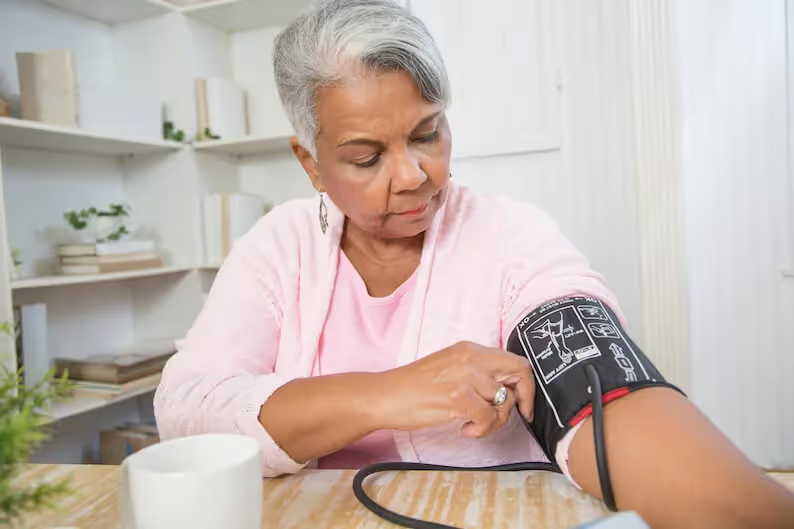
If you are 65 or older, regular colon cancer screenings are one of the most important steps you can take for your health. But between screenings, your body may be sending you signals you shouldn't ignore. Here are five signs of colon cancer that every older adult should know.
What Are the Early Warning Signs of Colon Cancer?
1. A Change in Bowel Habits
One of the earliest signs of colon cancer is a noticeable change in your bowel habits. This includes:
- Unusual or persistent diarrhea
- Ongoing constipation
- Stool that appears thinner or narrower than normal
Occasional changes are normal. However, if these changes last more than a few days without explanation, contact your doctor. It is always better to check and have peace of mind.
2. Dark or Bloody Stool
If your stool appears darker than usual — or if you notice bright red blood — this may indicate bleeding somewhere in your colon or rectum. While other conditions, like hemorrhoids, can cause this, blood in your stool should never be brushed off. Notify your doctor right away if you notice any discoloration or visible blood.
3. Persistent Abdominal Pain or Discomfort
We all experience occasional gas or bloating. But chronic abdominal discomfort — including ongoing cramps, bloating, or severe belly pain — can be a sign of colon cancer, especially in its later stages. If these symptoms keep coming back, do not wait to speak with your healthcare provider.
4. Unexplained Weight Loss
Losing weight without trying may sound appealing, but it is often a sign that something is wrong. Colon cancer, along with other serious conditions, can cause the body to lose weight without any changes to diet or activity level. If you have lost weight recently without explanation, schedule an appointment with your doctor as soon as possible.
5. Fatigue and Weakness That Won't Go Away
There is a difference between feeling tired after a long day and experiencing true fatigue. Cancer-related fatigue leaves you feeling deeply worn out, heavy, and slow — even after a full night's rest. Simple, everyday tasks can feel exhausting. If you are experiencing this kind of persistent fatigue alongside any other symptoms on this list, speak with your healthcare provider promptly.
Who Is Most at Risk for Colon Cancer?
Your risk of developing colon cancer increases with age, which is why adults 65 and older should be especially vigilant. In addition to age and family history — which you cannot control — there are several risk factors within your power to address:
- Being overweight — maintaining a healthy weight lowers your risk
- Smoking — quitting at any age has health benefits
- Heavy alcohol use — limiting alcohol reduces risk
- A sedentary lifestyle — regular, gentle movement makes a difference
- A diet high in processed meats — choosing whole foods supports colon health
- Unmanaged diabetes — working with your doctor to manage blood sugar matters
Making even small, consistent lifestyle changes can meaningfully reduce your risk.
When Should You Schedule a Colonoscopy?
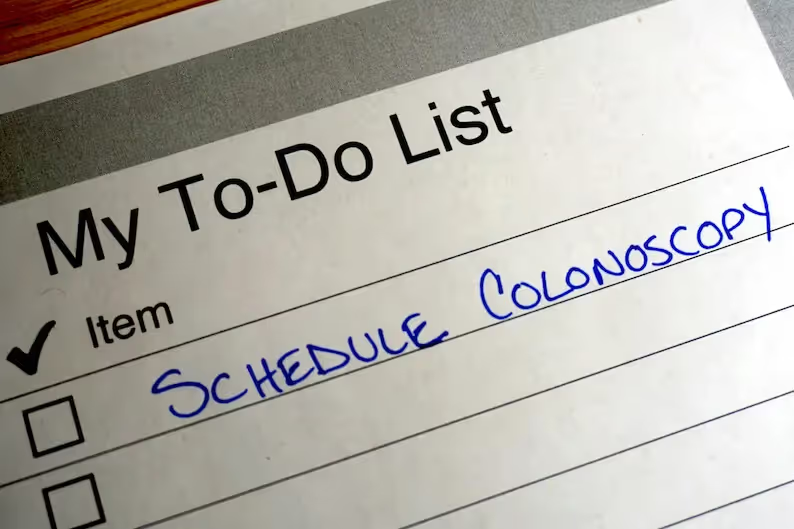
If you are 65 or older and have not yet had a colonoscopy — or are overdue for one — it is time to prioritize that appointment. Colon cancer often develops with no symptoms in its early stages, making routine screenings essential.
Talk to your doctor about:
- How often you should be screened based on your age and health history
- Whether your family history puts you at higher risk
- What steps you can take today to protect your colon health
Schedule Your Colonoscopy Today!
Colon cancer is serious, but it is also one of the most treatable cancers when detected early. Do not ignore changes in your body. If you are experiencing any of the five signs listed above — changes in bowel habits, dark or bloody stool, abdominal pain, unexplained weight loss, or persistent fatigue — reach out to your doctor right away.
Your health is worth the conversation. Schedule your screening today.